

 (
(









- measure the audience of the website,
- allow to order.
you have the choice to accept them or to leave.


Narbonne is a city of Art and History.
Narbonne is a city of Art and History. A little tour today on the great history of our agglomeration.
The appearance of the first humans in Languedoc is said to be around one million BC! Homo Sapiens will come around 30,000 BC.
The city of Narbonne was built from the 2nd century BC under Roman influence in 118 BC. It is a Narbo port which gradually enjoys many export advantages with Italy for its wines, oils and fabrics.
His region, the Narbonnaise, became the seventh outside Rome. Its wines are very successful, so much so that the port of Narbonne, located on the current site of La Nautique in the ponds located between the classified massif of La Clape, Bages and Port-la-Nouvelle, exports the production of its nectars throughout the Mediterranean but also in Italy! A rare privilege for a Province outside Rome.
Indeed, the terroirs of the Narbonnaise enjoy an extraordinary geology renowned throughout Romanity. The best generals of the Roman army will be awarded the best terroirs, including that of the La Clape cru.
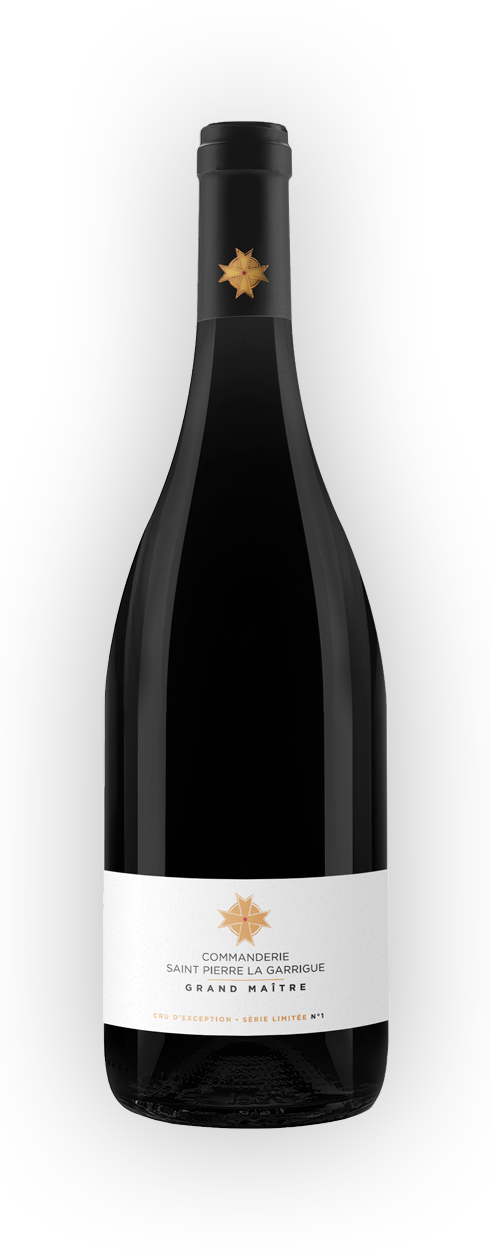
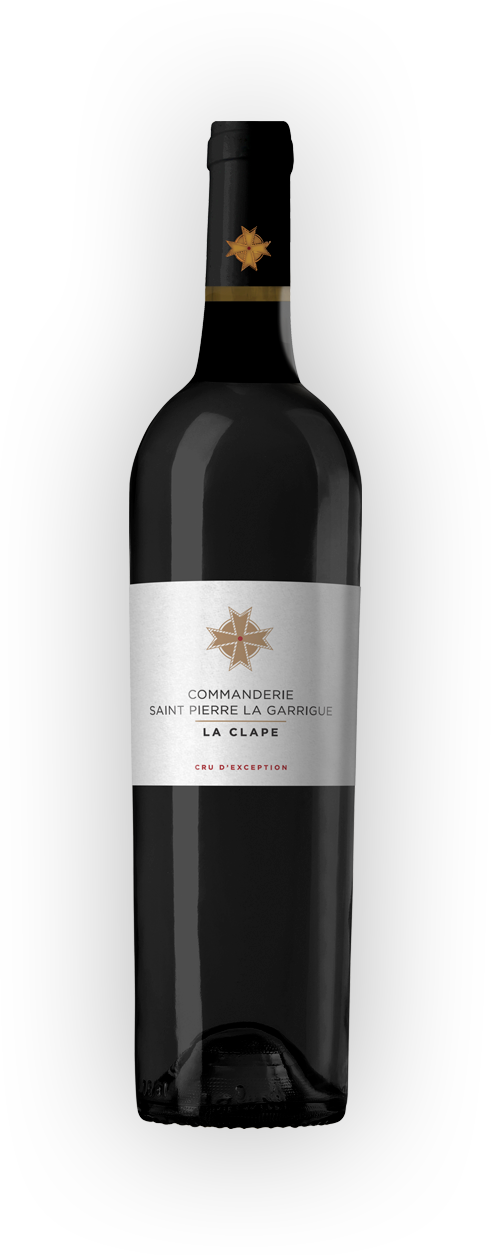
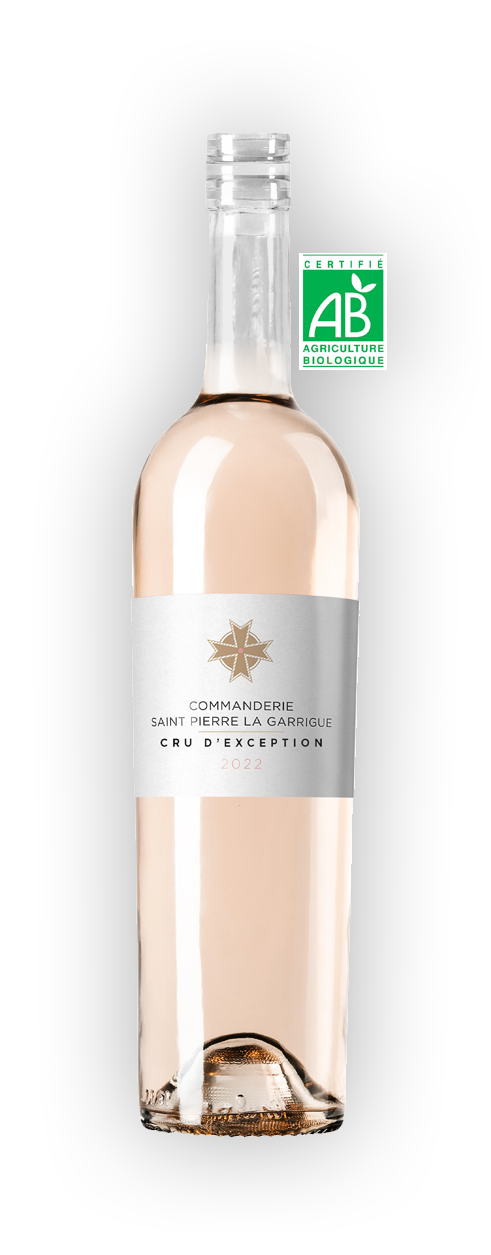
Many tribes then come to colonize the Narbonnais country after the collapse of Rome and a good number of "Barbarians" and Saracens fall in love with this place. A defense will be built from the 9th century to counter land and sea invasions. The last Sarrazin landing attempt will take place around 1020. The area is marked by several influences from the South via Spain, from the North and East via the Mediterranean Sea. The first castles of protection are built and in particular the castle of Marmorières on an oppidum overhanging the ponds of Fleury. Numerous raids also raged during the 12th century and following. The orders of the Hospitallers of Saint John of Jerusalem then of Malta will build numerous towers and defense systems on the Mediterranean islands and the Narbonne coast. The Commandery of Saint Pierre la Garrigue, erected in 1179, is a perfect example. It was possible to find boundary stones carved with the Maltese cross which delimited the properties of these orders.
The first Consuls appeared in Narbonne in 1132, marking the political independence of the city and its power.
The 11th century and the 12th century were marked by battles between the Church and Cathar heretics. Then came the time of the Black Death in 1348-1349 which decimated Languedoc and the Black Prince in 1355, of which there are vestiges of the carnage at Armissan in the Clape massif.
Narbonne, wedged between Montpellier and Toulouse, is subject to strong competition in commerce. It played the leading roles for several centuries thanks to the power of the Church and in particular of its regular orders. Symbols of this power, the Cistercian abbey of Fontfroide (one of the largest in Europe) and the Saint Just cathedral which was to be one of the largest religious buildings in the Christian world, but unfinished, it does not represent, to this day , that the chorus of the initial plans!
It was during the 18th century, when the population increased and land ran out, that the scrublands and plateaus began to be planted with vines on a larger scale, leading to a quasi-monoculture at the end of the 19th century. Indeed, the increase in wine prices in the middle of the century from 6F to 35F generated a rush towards viticulture. The Hérault will have quadrupled its surface areas in one generation to reach 400,000 hectares planted. The industrialization and mechanization of the cities of Bas Languedoc will be the big losers, leaving Languedoc invested by "foreign" capital from other regions of France and therefore an economic independence almost lost in a century. It will be necessary to wait until the 1960s to see the development of the mechanization of agriculture, tourism, aeronautics and the services of the big cities making up for the delay.
The phylloxera crisis
The phylloxera crisis that began in Bordeaux in the first part of the 19th century made Languedoc its fortune and then its ruin when it was the last bastion to be affected by this scourge in the 1860s and 1880s. The overproduction of the early 1900s gave rise to the events of 1907 with its dramas and sufferings brushed aside by President Clémenceau.
The French wine industry will thus give birth to numerous defense and management organizations and will ban the production of industrial wine, mainly from factories in the Paris region, without grapes. The first appellation of origin will be Châteauneuf-du-Pape, the others will follow. The Second World War with its German occupation in Narbonnaise will ruin the wine estates by stripping them of stills, made from copper, by expelling families from large estates and causing yields to sink (copper being requisitioned by the military and the hand sparse work). This was the case of the castle of Marmorières and the Commandery of Saint Pierre la Garrigue in the classified massif of the La Clape cru, occupied by German officers.
The thirty Glorious Years will restore the vineyards in good condition with a different organization where the horse will be gradually replaced by the tractor.
The La Clape vintage syndicate was created by the Countess of Woillemont, first president and owner of the Château de Marmorières in 1951. Her son and then her grandson were also president. The recognition of the wines of the La Clape cru by their exceptional quality in both white and red will lead to the classification as a cru in 2015.
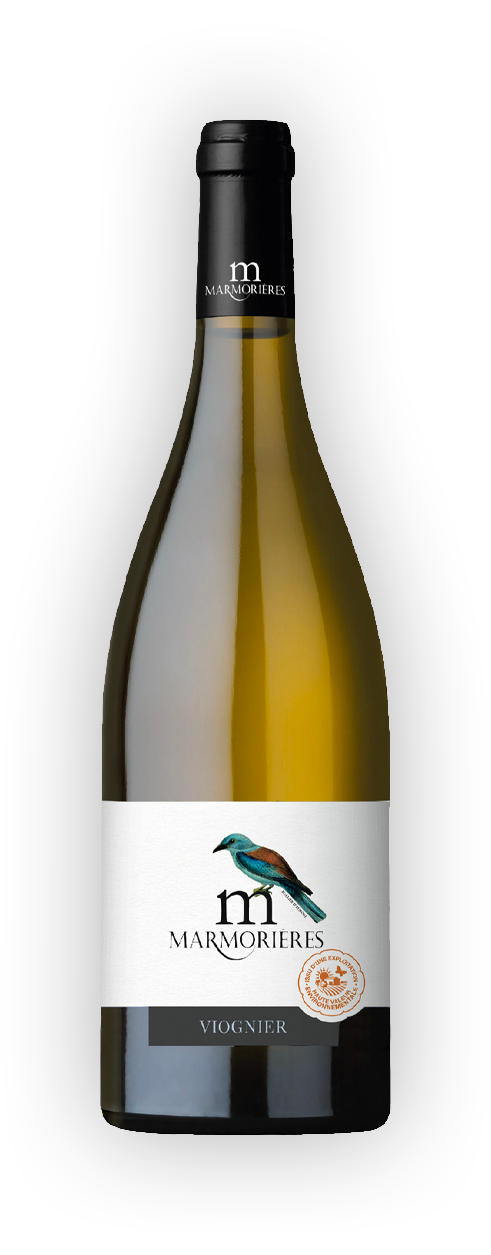
The whites, mineral and saline, are assembled from the main grape variety which is Bourboulenc, also called Malvoisie, white Grenache and a few other aromatic grape varieties such as Vermentino, Viognier, Roussanne or Marsanne.
The reds, despite the harshness of a semi-desert climate, enjoy a beautiful freshness with aromas of spices, black fruits, liquorice and menthol.
To date, many wines from the La Clape cru are rewarded with scores of more than 90 points out of 100 and recognized as being among the best wines in the world, such as the Commanderie de Saint Pierre la Garrigue and the Château de Marmorières.


