

 (
(









- measure the audience of the website,
- allow to order.
you have the choice to accept them or to leave.


The impressive soil diversity of the massif
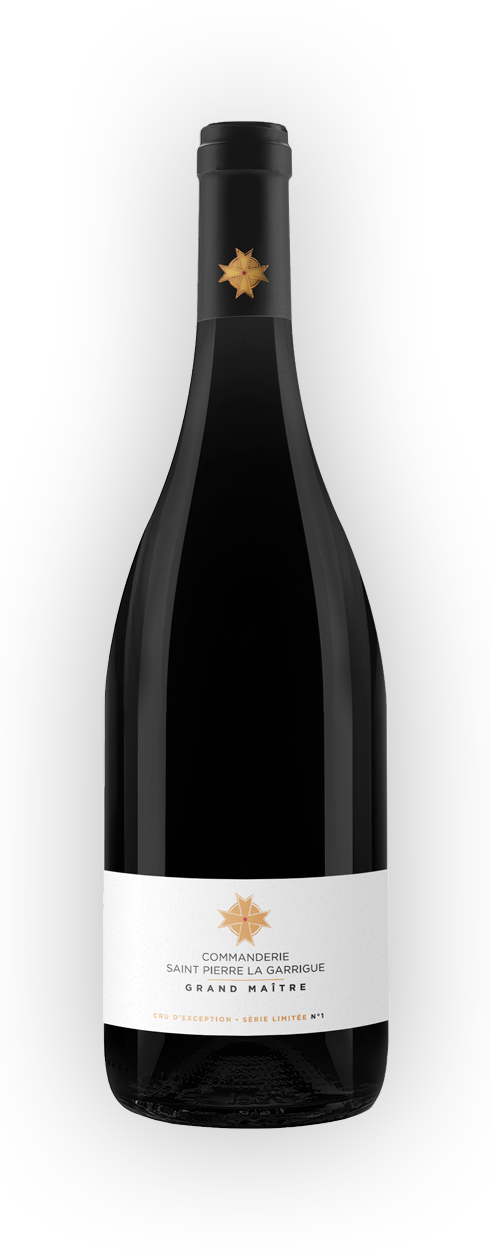
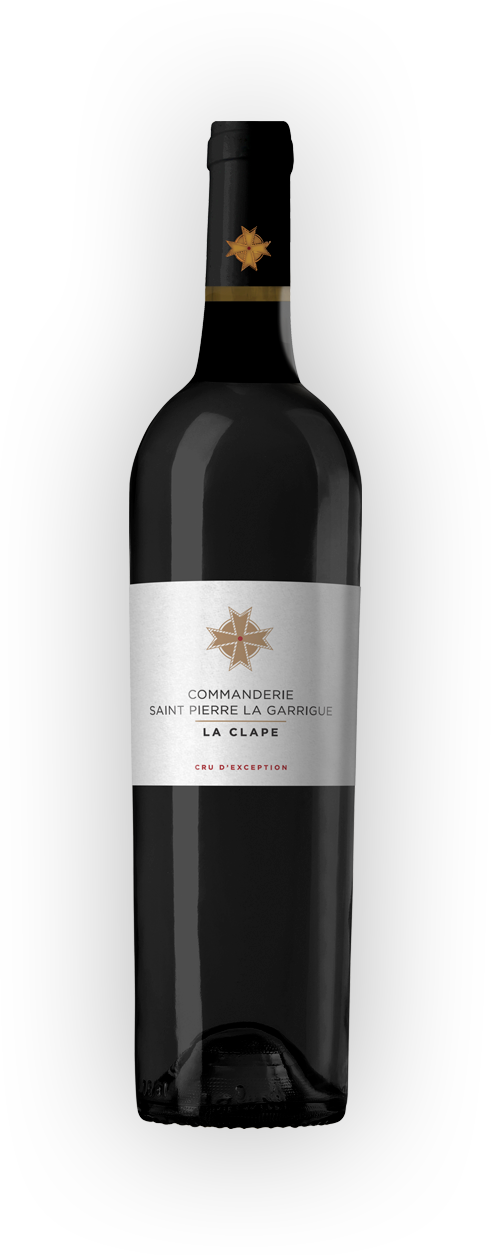
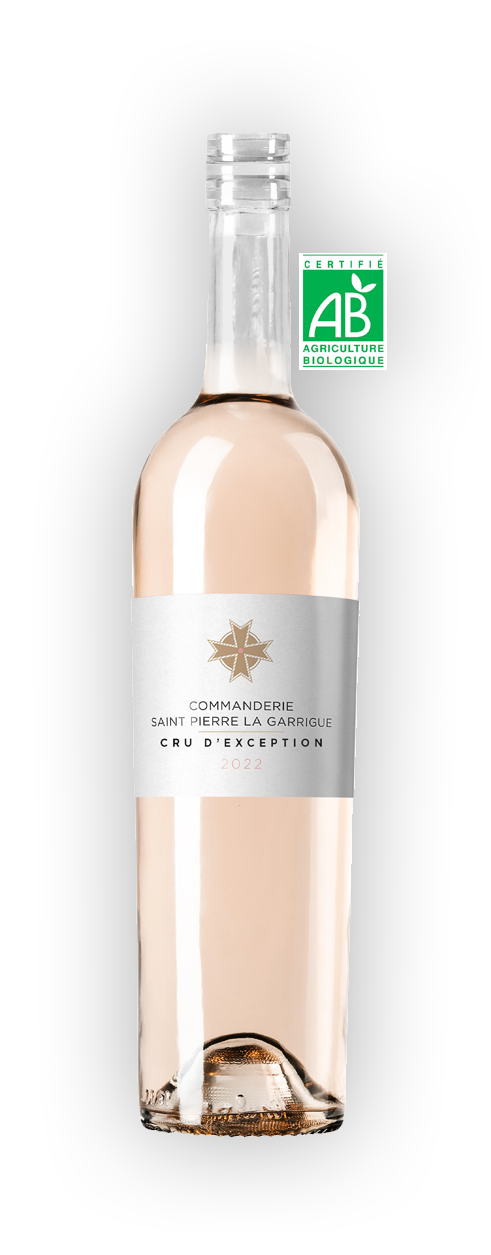
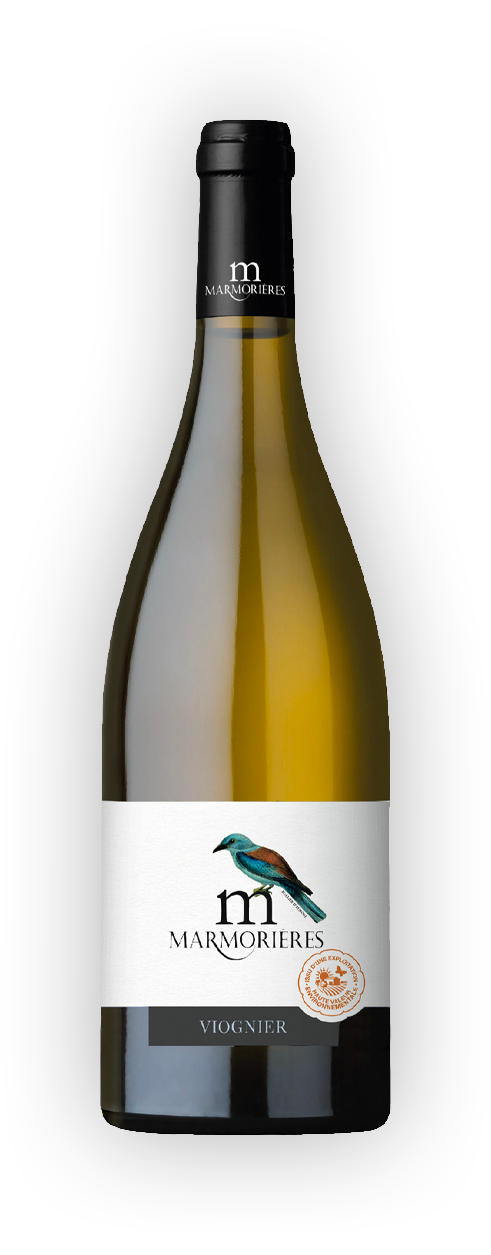
The Château de Marmorières and the Commanderie de Saint Pierre la Garrigue are both located in the La Clape Appellation.
Do you know this name well?
This vineyard covers 6 communes in the Aude: Armissan, Fleury, Gruissan, Salles-d'Aude, Vinassan and Narbonne.
La Clape, in Occitan “pile of pebbles”, is a secondary limestone massif (Lower Cretaceous) which culminates at an altitude of 214m.
The massif and its paths are full of beautiful discoveries: Gouffre de l'œil douce between the Château de Marmorières and the Commanderie de Saint Pierre la Garrigue; springs of the Rec d'Argent, Notre Dame des Auzils and the Marine Cemetery in Gruissan, the Virgin of Cruque in Moujan, the walls of La Chandelle for climbing, the Oustalet site, the coolers and bee walls, with magnificent views of the Mediterranean Sea, the Pyrenees with the Canigou and the Montagne Noire.
The seaside resorts of Cabanes de Fleury, Saint Pierre la mer, Narbonne plage and Gruissan are ideal starting points for exploring the La Clape massif.
On windy days Cers, one of the thirteen winds that blows in our region, go for a walk in the massif, some walks are a little more sheltered than the beach!
The site is a pioneer in research and environmental preservation: classified Natura 2000, it is part of the Regional Natural Park PNR of Narbonnaise, INRA is installed there and constantly seeks new proposals for the future (irrigation with waste water Irri-Alt'Eau, new resistant grape varieties Résist'Eau...), we join with other winegrowers and the PNR to a GIEE: Economic and Environmental Interest Group created in 2021 to work on climate issues, some winegrowers like us choose to test drought-resistant grape varieties such as Zinfandel or Durif.
The La Clape massif, which was once an island, is mainly covered with vines, low scrubland (thyme, rosemary, sage, etc.) and pine forests of Aleppo pines and Kermès oaks. This flora, supplemented by centaury, a plant endemic to La Clape, orchids, cottony cistus or other dwarf irises, brings aromas and complexity to the wines of La Clape.
Among the thirteen winds, the sea wind brings freshness and humidity, as for the Cers, the dominant wind of the massif, it allows on the contrary to dry when there is too much humidity! A nice complementarity.
The La Clape cru syndicate was created by the Countess of Woillemont, first president and owner of the Château de Marmorières. It obtained recognition and classification of the production area in 1951 under the VDQS "La Clape" designation of origin. The winegrowers then adhered to the geographical denominations of the Coteaux du Languedoc Appellation in 1985. The appellation recognition project, started in 2007, was completed in 2015, giving real recognition to the work of the winegrowers. And for the consumer, the AOC is a guarantee of quality.
The soil diversity of the massif is impressive, limestone, iron oxide, rolled pebbles, gray marl, flat stone and all this set is often found in each area of La Clape whose surface is often greater than 30ha.
The king grape varieties are for red: Syrah, Grenache, Carignan, Mourvèdre, Cinsault. The aromas of spices, black fruits, liquorice and menthol are accompanied by a lovely freshness for a smooth tasting.
The whites, minerals and saline, at the origin of the recognition of our terroir of La Clape are assembled around the main grape variety Bourboulenc. It is accompanied by white Grenache and a few other aromatic grape varieties such as Vermentino, Viognier, Roussanne or Marsanne.
You can come and discover this appellation at Château de Marmorières from Monday to Friday from 10 a.m. to 12:30 p.m. and 2 to 5:30 p.m. as well as in the other estates of La Clape open for tasting. You can also discover our wines at home by accessing the online store.
Shop our wines

